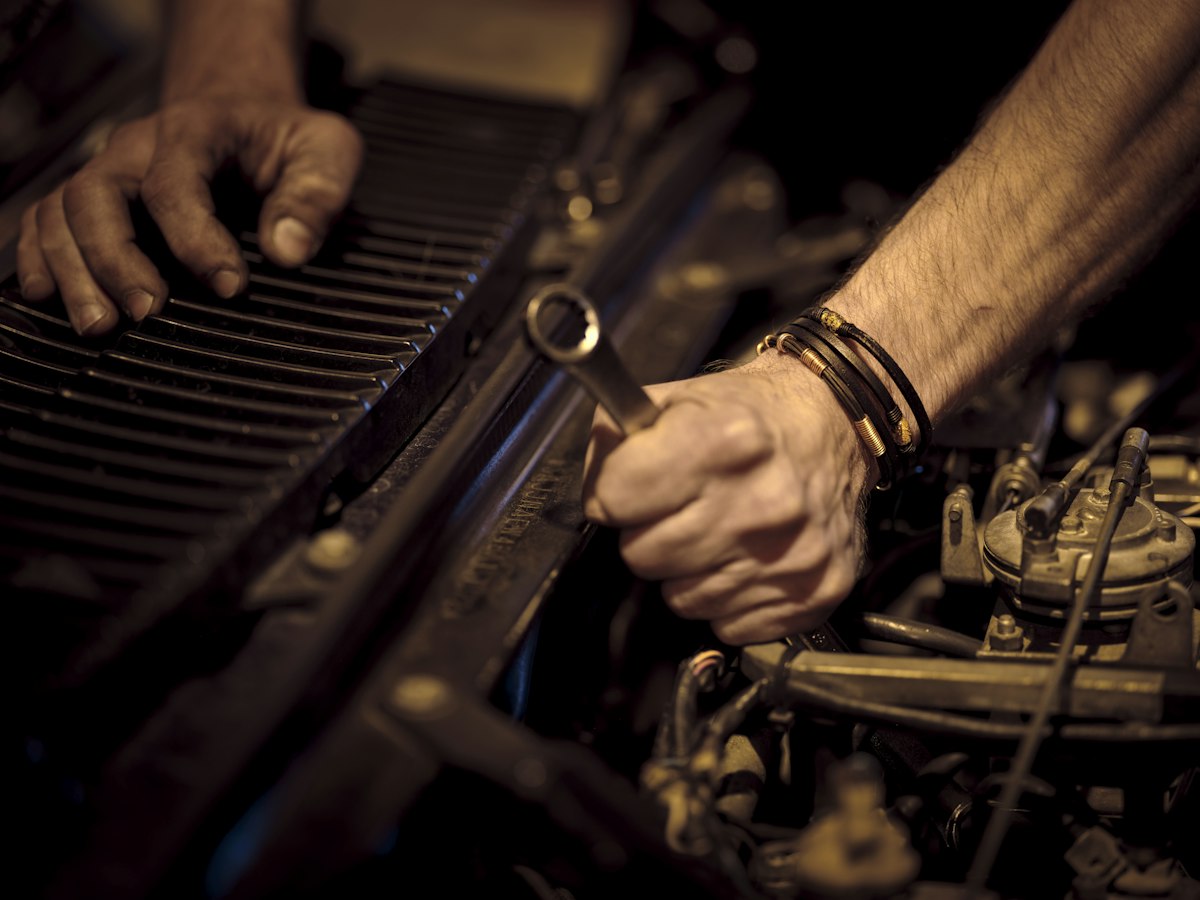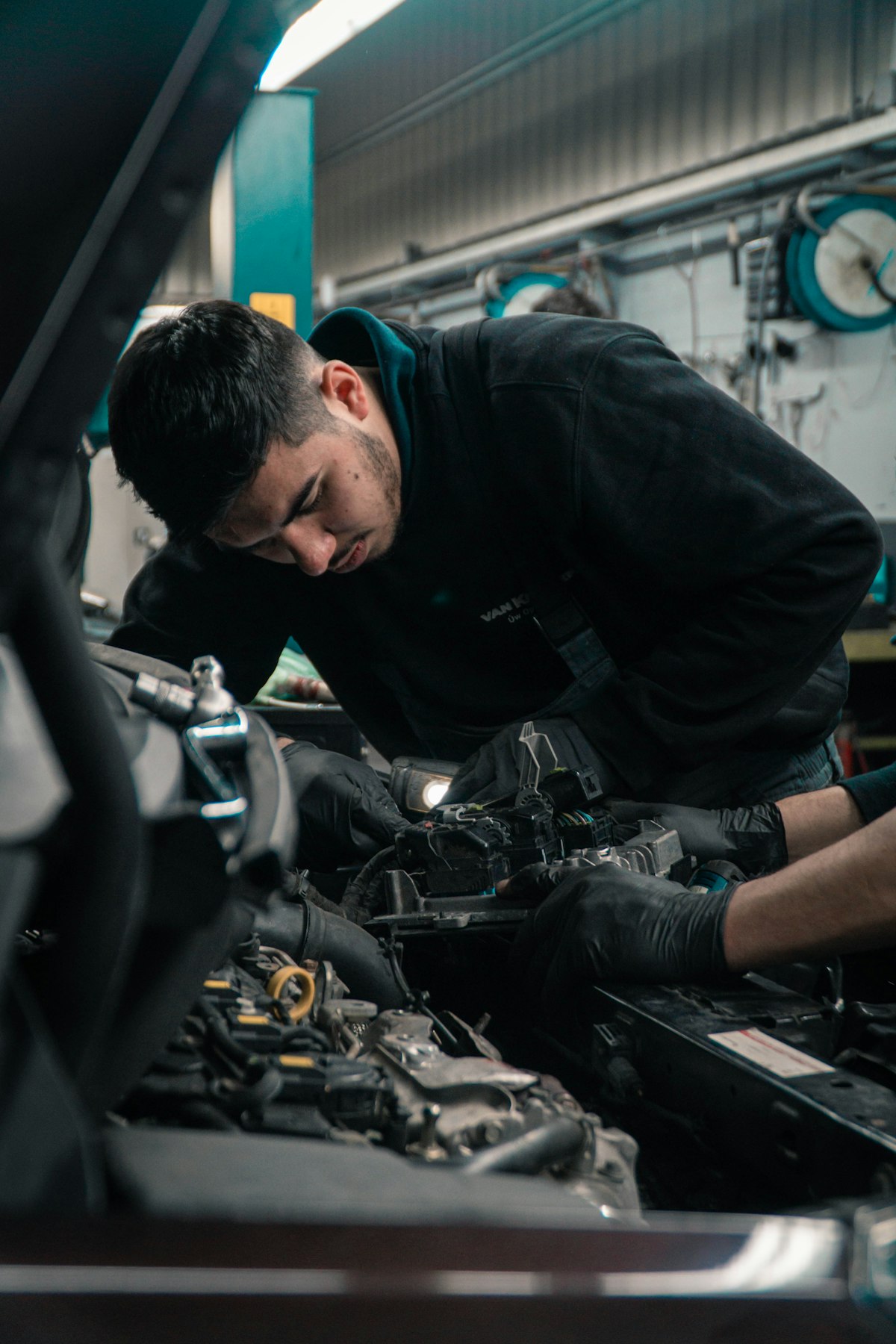
Last summer, a 2018 Camry rolled into our Industrial Area 2 workshop with a cracked radiator, seized AC compressor, and a battery that had literally swelled up like a balloon — all because the owner skipped basic summer prep. Sharjah’s 50°C heat doesn’t just make you uncomfortable; it actively destroys your car from the inside out. After twelve years of rebuilding engines and transmissions in this climate, I’ve learned that summer survival isn’t about luck — it’s about seven specific maintenance points that most people completely ignore until something expensive breaks.
TL;DR
- Your cooling system needs fresh coolant and pressure testing before May, or you’re gambling with a AED 3,500+ engine repair
- AC systems lose 15% efficiency per year in UAE heat; a AED 150-350 service now beats a AED 1,200 compressor replacement later
- Batteries rarely last more than 24 months in Sharjah summers — test voltage monthly and replace at 12.4V or below
- Engine oil breaks down 40% faster above 45°C; switch to 5W-40 full synthetic and change every 5,000 km, not 10,000 km
- Tyre pressure increases 4-6 PSI in afternoon heat; check when cold and reduce slightly to prevent blowouts on Emirates Road
Your Cooling System Is Living on Borrowed Time
The cooling system is the first casualty of Sharjah summer, and I see the aftermath every single week. When ambient temperature hits 50°C and you’re sitting in traffic on King Faisal Street, your coolant is working harder than it was ever designed to. Most manufacturers spec coolant for 40°C maximum — we regularly exceed that by 10-15 degrees.
I pulled apart a 2016 Nissan Altima last June with a blown head gasket. The owner had been topping up coolant for months, assuming a small leak was normal. By the time he brought it in, the engine was mixing coolant with oil, and we were looking at a AED 6,500 repair instead of what would have been a AED 180 radiator hose replacement. The fine desert dust we get here — especially near Industrial Area 2 — clogs radiator fins like you wouldn’t believe. I literally brush off 2-3mm of compacted dust from radiators during summer services.
Here’s what works: flush and replace coolant every two years, not three. Use a 60/40 coolant-to-water mix (higher concentration than the manual suggests, because our ambient temp is higher). Have the system pressure tested — we charge AED 99 for diagnostics that includes this. Replace any hose that shows surface cracks. I’ve seen radiator hoses burst on Sheikh Mohammed Bin Zayed Road in afternoon traffic, leaving drivers stranded in 48°C heat. Not fun.
| Cooling System Service | Independent Shop (AED) | Dealer (AED) |
|---|---|---|
| Coolant flush & refill | 250-350 | 450-650 |
| Radiator replacement | 800-1,200 | 1,400-2,200 |
| Water pump replacement | 650-900 | 1,100-1,600 |
| Thermostat replacement | 280-420 | 500-750 |
AC Service Is Not Optional, It’s Survival Equipment
Your AC isn’t a comfort feature in Sharjah — it’s safety equipment. I’ve rebuilt transmissions on cars that overheated specifically because owners turned off the AC to “save the engine” when the temperature gauge climbed. Bad move. The engine is designed to run with AC load; turning it off doesn’t help cooling, it just makes you suffer.
AC systems lose refrigerant naturally, about 15% per year in normal climates. In UAE heat with constant use? More like 20-25%. When refrigerant gets low, the compressor works harder, gets hotter, and eventually seizes. A AED 200 regas service becomes a AED 1,200-1,500 compressor replacement, plus another AED 350 to replace the receiver dryer and flush the system.
The classic symptom: AC blows cold in the morning, weak by afternoon. That’s low refrigerant. Another one I see constantly: musty smell when you first turn on the AC. That’s mold growing in the evaporator from condensation and humidity — we’re right on the coast here, so the combination of heat and moisture creates a perfect mold factory. An evaporator cleaning runs AED 250-350 and makes a massive difference.
I recommend AC service every year before summer, not every two years like the manual says. We check refrigerant level, test compressor cycling, inspect the condenser for damage (stone chips from Emirates Road are brutal), clean the cabin filter, and treat the evaporator. Total cost: AED 350-450 for a complete service. Compare that to sitting in a car that feels like an oven in July.
Your Battery Has a Death Wish
Batteries hate heat more than cold, which surprises people who assume winter is harder on cars. A battery that would last five years in Europe lasts 18-24 months here, maximum. The heat accelerates the chemical reaction inside, which causes faster degradation and water evaporation from the cells.
I test batteries on every service using a proper load tester, not just a voltage meter. You want to see 12.6V or higher when the car’s been sitting, and voltage shouldn’t drop below 9.6V during a load test. Anything less, and you’re living dangerously. The fine dust here also corrodes terminals faster — I clean probably twenty battery terminals a week with a wire brush and anti-corrosion spray.
Last August, a customer’s 2019 Accord wouldn’t start in the Lulu parking lot. Battery was 28 months old, which is actually decent for here. But she’d been making short trips only — 5 minutes to the supermarket, 10 minutes to school pickup — which never fully recharged the battery. Heat plus insufficient charging equals a dead battery at the worst possible moment.
A decent battery costs AED 280-450 depending on the car. Japanese cars usually take the smaller, cheaper batteries. German cars need the bigger, more expensive ones (of course). I always recommend upgrading to a higher CCA (cold cranking amps) rating if you can — the extra power helps in extreme heat just like it helps in extreme cold.
Oil Changes Need to Double in Sharjah
The oil change interval in your manual is a lie for UAE conditions. Well, not a lie exactly — but it assumes you’re driving in moderate temperatures with mostly highway miles. We have neither. Stop-and-go traffic in 45°C+ heat breaks down oil dramatically faster.
I cut recommended intervals in half for Sharjah driving. If the manual says 10,000 km, I’m changing at 5,000 km. If it says synthetic can go 15,000 km, I’m doing it at 7,500 km maximum. The oil coming out at 5,000 km in summer is noticeably darker and thinner than oil from the same car in winter. Heat destroys the viscosity additives and accelerates oxidation.
For summer, I strongly recommend 5W-40 full synthetic instead of 5W-30, especially for turbocharged engines (which run even hotter). The extra viscosity at high temperature provides better protection when the engine is heat-soaked from sitting in traffic. This matters particularly for German cars — I’ve seen oil consumption issues on BMWs and Audis that improved immediately after switching to 5W-40.
Oil change costs at our workshop: AED 180-220 for Japanese cars using quality synthetic (we use Mobil 1 or Castrol Edge), AED 250-320 for German cars (they take more oil, usually 6-7 liters). Dealers charge AED 400-600 for the same service. Do the math over a year — six oil changes versus three — and you’re still spending less than one major repair.
Tyres Are Literally Exploding Out There
Tyre pressure increases about 1 PSI for every 5°C temperature rise. When you fill your tyres to 32 PSI in the morning at 25°C, they’re hitting 38-40 PSI by 3 PM when it’s 50°C. Overinflated tyres on superheated asphalt is a recipe for blowouts, and I’ve seen the aftermath too many times on Emirates Road and Sheikh Mohammed Bin Zayed Road.
Check tyre pressure in the morning when they’re cold. If the door sticker says 32 PSI, I actually run 30 PSI in summer to account for heat expansion. Yes, this slightly reduces fuel economy, but it dramatically reduces blowout risk. Also check tread depth — 3mm is the legal minimum, but I recommend replacing at 4mm because worn tyres generate more heat through friction.
The heat also ages rubber faster. Those sidewall cracks you see? UV damage and heat. A tyre that would last 60,000 km in Europe might only give you 40,000 km here before the rubber starts deteriorating. I always check manufacturing date (the four-digit code on the sidewall) — anything over four years old in UAE climate is suspect, regardless of tread depth.
Don’t forget the spare. I’ve seen people stranded with a flat and a spare that’s been sitting deflated in the boot for three years. Check it monthly. If you have a space-saver spare, those are only good for 80 km/h maximum — not ideal when you’re trying to limp to our workshop from Dubai.
Transmission Fluid Cooks Itself
Automatic transmissions generate huge amounts of heat, and that heat destroys transmission fluid. The usual 60,000 km service interval? Cut it to 40,000 km in Sharjah, especially if you do a lot of city driving. Sitting in traffic with the transmission in Drive, torque converter slipping and generating heat, is the hardest possible use case.
Most cars don’t have transmission temperature gauges, so you have no idea how hot it’s getting. But I do — when we drain fluid at 60,000 km, it comes out dark brown and smelling burnt. At 40,000 km, it’s still reddish and relatively fresh. That difference is the difference between a transmission that lasts 200,000 km and one that needs a rebuild at 150,000 km.
Transmission flush and refill costs AED 450-650 depending on the car. Some newer transmissions are “sealed for life” according to the manual. Don’t believe it. Life under UAE conditions is not the same as life in Germany or Japan. We’ve developed a method to service even sealed transmissions, and it’s worth every dirham.
I rebuilt a transmission on a 2015 Nissan Pathfinder last year — AED 7,200 total cost. The owner had never changed the fluid in 120,000 km because “the manual said it was lifetime fluid.” It wasn’t. Prevention is so much cheaper than repair.
The Summer Pre-Flight Checklist
Before May hits and temperatures climb into the 40s, run through this systematic check. I do this on my own cars every April without fail:
Fluids: Check levels and condition of coolant, oil, transmission fluid, brake fluid, power steering fluid. Top up or replace anything dark or low.
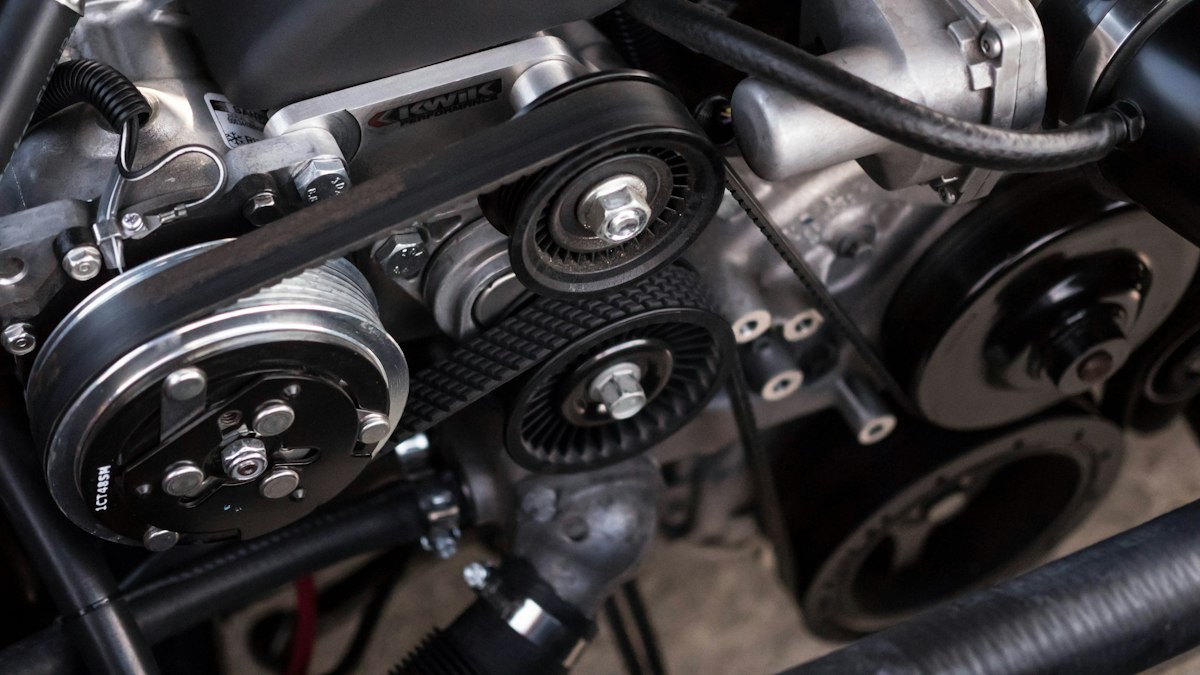
Belts and Hoses: Look for cracks, glazing, or soft spots. Squeeze every hose — if it feels squishy or shows cracks, replace it. A AED 60 hose replacement beats a AED 150 tow truck call.
Battery: Load test and clean terminals. If it’s over 18 months old, consider pre-emptive replacement before summer heat kills it.
AC System: Full service including refrigerant level check, compressor operation test, cabin filter replacement, and evaporator cleaning if there’s any musty smell.
Tyres: Check pressure (when cold), tread depth, and sidewalls for cracks or bulges. Rotate if it’s been 10,000 km or more.
Wipers: Replace blades before monsoon season (July-August). Heat-baked wiper rubber smears more than it cleans.
Emergency Kit: Verify you have water, jumper cables, flashlight, and a charged phone. I’ve handed out bottled water to stranded motorists more times than I can count.
Owner Checklist
- Flush and refill coolant with 60/40 mix, pressure test cooling system (AED 250-350)
- Complete AC service including regas and evaporator cleaning (AED 350-450)
- Load test battery, clean terminals, replace if over 18 months or testing weak (AED 280-450)
- Switch to 5W-40 full synthetic oil and reduce change intervals to 5,000 km (AED 180-320 per change)
- Check tyre pressure when cold, reduce by 2 PSI to account for heat expansion
- Service automatic transmission at 40,000 km intervals, not 60,000 km (AED 450-650)
- Inspect all hoses, belts, and rubber components for heat damage and replace if cracked
FAQ
Q: My temperature gauge is sitting higher than normal but not in the red zone. Should I be worried?
A: Yes, absolutely. “Higher than normal” is your early warning system. Bring it in immediately for a cooling system pressure test and thermostat check. What starts as a AED 280 thermostat replacement becomes a AED 6,500 head gasket job if you ignore it. I see this progression constantly — people wait until the needle hits red and by then the damage is done. If your gauge is reading even one tick higher than usual, especially in traffic, that’s your car telling you something is wrong.
Q: How do I know if my AC just needs a regas or if the compressor is failing?
A: Listen for unusual noises when the AC is on — grinding, squealing, or clicking from the engine bay means compressor trouble, budget AED 1,200-1,500. If it’s just blowing progressively warmer over weeks with no noise, that’s likely low refrigerant, which is a AED 200-250 regas. But here’s the thing: refrigerant doesn’t just disappear. If you need a regas, you have a leak somewhere. We always pressure test after regas to find and fix the leak (usually AED 150-300 for common leak repairs), otherwise you’re just throwing money away every few months.
Q: Is it worth paying extra for premium fuel in summer to help my engine cope with the heat?
A: Only if your car specifically requires it (usually turbocharged or high-compression engines). Premium fuel has higher octane which resists detonation better under heat and load, but if your car is designed for regular unleaded (91 octane), you’re just wasting AED 10-15 per tank. What actually helps in summer is keeping your fuel tank above half full — it reduces fuel pump strain and keeps the pump cooler since it’s cooled by the fuel around it. I’ve replaced fuel pumps (AED 800-1,200) that failed specifically because owners habitually ran the tank to empty in extreme heat.
Summer in Sharjah is genuinely brutal on cars, but it’s predictable brutal. Every year I see the same failures from the same neglected maintenance points, and every year I wish people would just do the basics before something expensive breaks. The seven-point checklist above isn’t me trying to sell you services you don’t need — it’s twelve years of pattern recognition from seeing what fails and what survives.
Call me, Ahmad, at +971 52 987 8153 or bring your car to our Industrial Area 2 workshop in Sharjah for a free summer inspection. I’d rather spend fifteen minutes checking your cooling system now than see you towed in with a cracked head next July.